How AI-Assisted OPD Workflows Can Improve Patient Experience
Learn how AI-assisted OPD workflows can support registration, patient flow, clinical documentation and doctor-led care in Pakistan.
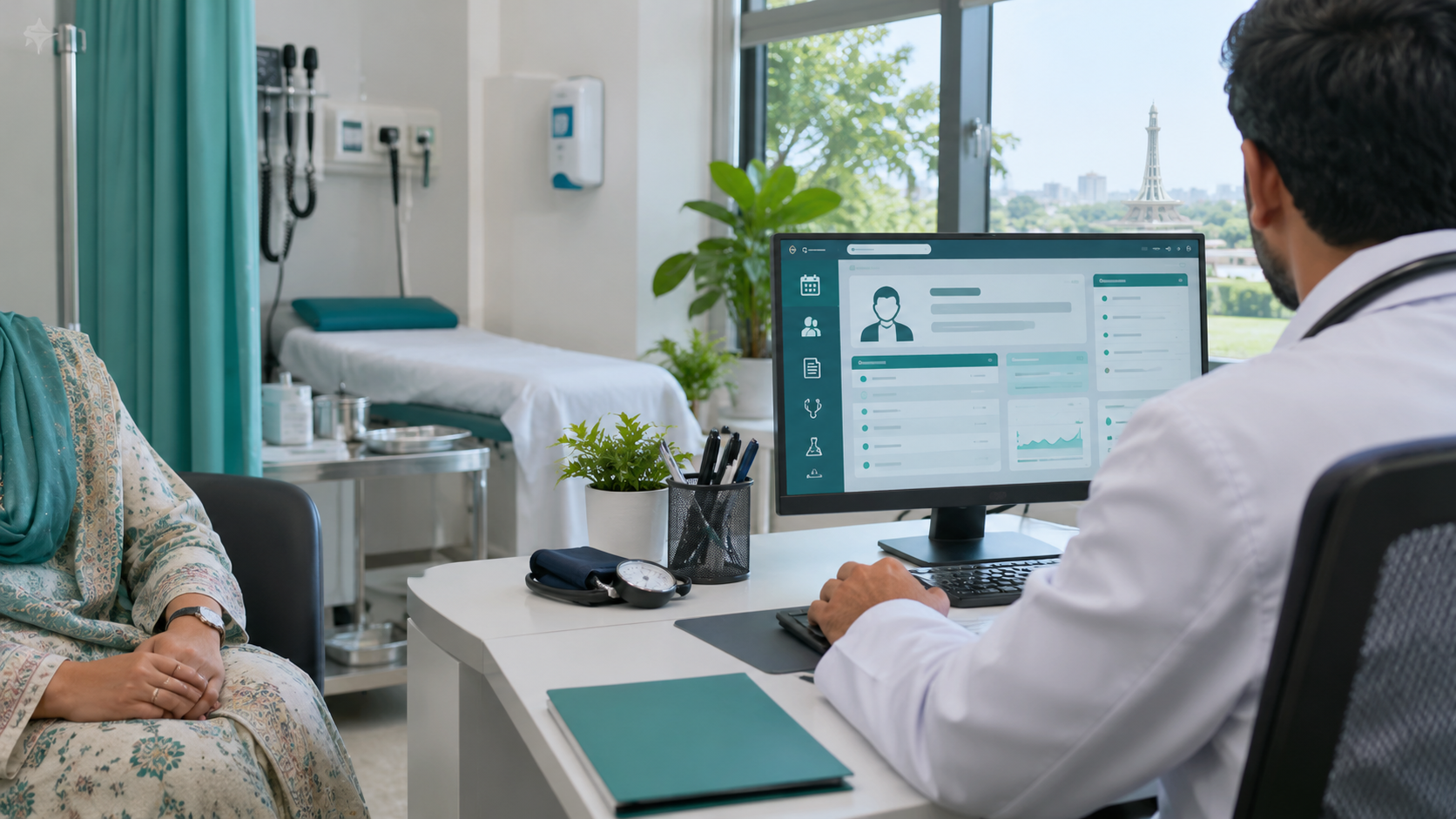
Patients are often tired or unwell before they reach a hospital. Long queues, missing medical records and repeated questions can make the visit more stressful. Doctors need reliable information to assess symptoms and prescribe appropriate medicines, while patients may struggle to carry records and explain their history at every stage.
For hospitals exploring an AI OPD system in Pakistan, the aim should be practical: organize patient information, reduce repetitive administrative work and support clearer communication. AI-assisted systems can help hospital staff while keeping clinical decisions with qualified healthcare professionals.
Why OPD Needs AI Assistance
Outpatient departments handle large numbers of patients alongside appointments, registration and documentation. Manual processes can take time and create delays or communication gaps.
Patients may need to repeat their medical history at several counters. Paper records can also go missing or become difficult to retrieve. Hospital OPD automation can help organize these tasks so staff can spend less time searching for information and more time supporting patients.
Not every digital function requires AI. Registration, token systems and appointment reminders may use standard automation, while AI can assist with tasks such as structuring consultation notes. The benefits depend on how these tools connect with the hospital's existing workflows.
1. Easier Appointments and Registration
An appointment is often the first step when someone needs medical attention. For a person who is already unwell, lengthy forms and repeated questions can feel exhausting.
Digital registration connected to patient records can reduce repeated data entry and help staff locate existing information. Depending on the system and its implementation, it may support:
- Less repetitive form-filling
- Better organization of patient information
- Fewer avoidable registration errors
- Smoother coordination between reception and clinical departments
Patients who are unfamiliar with digital systems should still receive help from hospital staff. Accessible registration options and clear instructions are essential to making the process easier.
2. Clearer Queues
A connected OPD workflow can help track a patient's progress and make queues more transparent. A hospital's queue-management system may provide tokens for nursing assessment, a consultation, laboratory testing or other services.
The aim is to make the process more predictable, reduce confusion and help staff identify operational bottlenecks. Patients benefit from knowing where to go and what comes next.
Queue information should reflect actual service availability. Staff must also be able to prioritize urgent cases according to clinical assessment rather than relying only on arrival order or automated recommendations.
3. Better Clinical Documentation
Clinical documentation includes symptoms, medical histories, examination findings, diagnoses, prescriptions and follow-up plans. Recording these details is necessary, but it can take a substantial part of a consultation.
AI-assisted documentation tools may organize consultation information or draft notes for review. Voice documentation can let doctors dictate information that the system converts into structured records. This can make the record easier to review at a later visit.
AI medical documentation and voice-to-clinical notes are among the applications described by D-Right Technologies for IntelliSist.
Doctors must check generated notes for accuracy and completeness before using them. Missed symptoms, incorrect medicine names or missing allergy information can affect patient care. AI-generated text should remain a draft until a clinician reviews it.
4. Supporting Patient Flow Management
A patient may move between registration, vital-sign assessment, consultation, laboratory testing, pharmacy and follow-up booking. Each stage needs clear instructions and coordination.
When these stages are poorly connected, patients may face unnecessary back-and-forth movement, duplicated paperwork or uncertainty about their next step. Digital patient flow management can help staff coordinate these transitions.
For example, a connected workflow may make a doctor's instructions available to the relevant nursing, laboratory or pharmacy team, subject to appropriate access controls. Hospitals should confirm which functions their chosen system supports and how those functions work in practice.
5. Assisting Healthcare Professionals
AI assistance can help present relevant patient information, organize documentation or flag information for review. The doctor must still listen to the patient, conduct an examination, interpret findings and determine the treatment plan.
Clinical oversight is especially important when records are incomplete, symptoms are complex, medication safety is involved or a patient requires urgent assessment. Staff also need a reliable way to correct records and continue care if the system becomes unavailable.
IntelliSist by D-Right Technologies: AI-Assisted Clinical Workflows
IntelliSist by D-Right Technologies is an AI clinical assistant designed to support documentation, clinical information review and connected care-team workflows.
D-Right describes features including voice-to-note documentation, structured clinical notes, guideline-aware assistance and medication safety checks. Its published medication safety features include checks for potential drug interactions, allergies, therapeutic duplication and dosing concerns against the patient's profile.
These checks flag potential concerns for the treating clinician to review. They do not guarantee that every error will be detected or predict every possible allergic reaction. Accurate patient information and clinician judgment remain essential.
Hospitals can review IntelliSist integration with hospital workflows when assessing how clinical assistance could fit their existing software.
Potential benefits of a well-implemented OPD workflow include less repetitive administration, better-organized information, clearer coordination and improved continuity during follow-up visits. Outcomes depend on staff training, system reliability, integration and patient accessibility.
Final Thoughts
AI-assisted outpatient care should reduce avoidable friction while preserving personal attention. Hospitals should prioritize simpler registration, clearer patient flow, accurate documentation, protection of patient information and clinical oversight.
A better OPD experience gives patients clear guidance and timely attention, with technology supporting the professionals responsible for their care.